Pulse Books: 5 Books to Better Understand Money
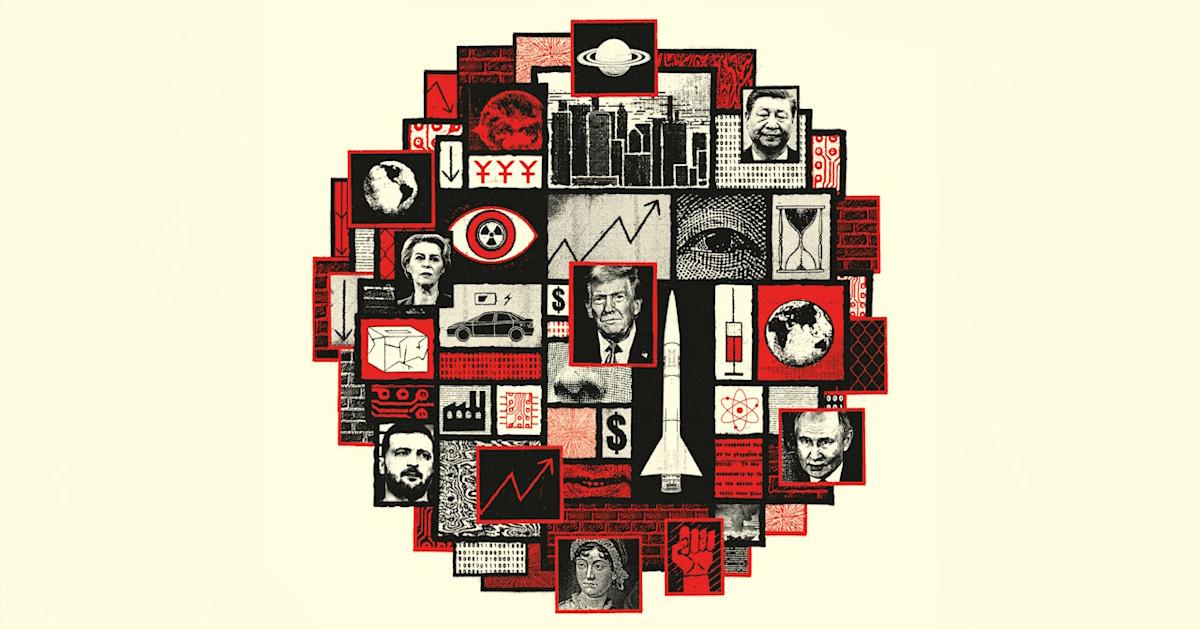
Money is one of the most emotional topics in our lives, yet most of us never receive formal education on how to think about it. These five books cut through the noise of get-rich-quick schemes and offer something far more valuable: a framework for understanding the psychology behind our financial decisions.
Whether you're just starting your wealth-building journey or looking to refine your philosophy, these reads will transform how you think about earning, spending, saving, and living.
1. The Art of Spending Money
Morgan Housel (October 2025)
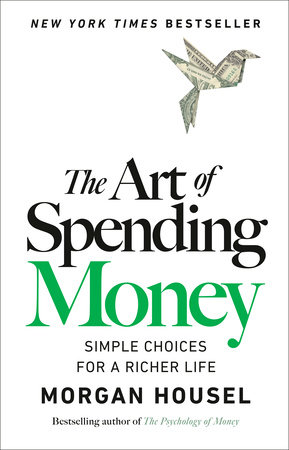
Morgan Housel's latest book, and perhaps his most practical yet, tackles a question most personal finance books avoid: how should we actually spend our money?
After teaching millions how to save and invest through The Psychology of Money, Housel turns his attention to the other side of the equation. The core insight? People tend to be happier spending money on things they value for their own sake rather than things they buy to impress others.
"The goal isn't to maximize wealth. It's to maximize what money can do for your life."
Key Takeaway: Spending aligned with your values isn't wasteful. It's the whole point of building wealth.
2. Same As Ever
Morgan Housel (2023)
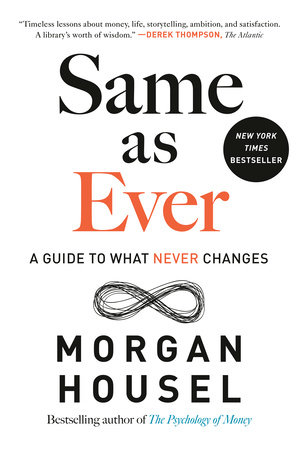
While everyone obsesses over predicting the future, Housel asks a more useful question: what will never change?
Through 23 essays, Same As Ever explores the patterns of human behavior that persist regardless of technology, markets, or circumstances. It's not a finance book in the traditional sense. It's a book about risk, uncertainty, and the timeless quirks of human nature that drive our decisions.
"Risk is what's left over after you think you've thought of everything."
Key Takeaway: Understanding what doesn't change is more valuable than trying to predict what will.
3. Die With Zero
Bill Perkins (2020)
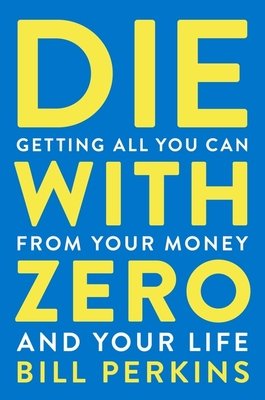
This might be the most provocative book on this list. Hedge fund manager Bill Perkins challenges the conventional wisdom of "save as much as possible" with a startling proposition: what if you're saving too much?
Perkins introduces the concept of memory dividends, the idea that experiences compound over time, providing returns long after the money is spent. He argues that dying with a large estate isn't a success. It's a sign that you traded irreplaceable experiences for money you never used.
The book provides a framework for thinking about:
- •Time buckets: Organizing desired experiences by life stage
- •Giving with a warm hand: Helping family when they need it most
- •Optimal timing: Recognizing that some experiences have expiration dates
"Your life isn't a dress rehearsal. You only get one shot at it."
Key Takeaway: Money is a tool for creating experiences. The goal is to convert money into meaning before it's too late to enjoy it.
4. The Psychology of Money
Morgan Housel (2020)

The book that started it all. With over 8 million copies sold, The Psychology of Money remains the definitive exploration of why we make the financial decisions we do.
Housel's genius is in showing that financial success isn't primarily about intelligence or information. It's about behavior. Through 19 short stories, he explores themes like:
- •Why reasonable beats rational in investing
- •How your unique experiences shape your risk tolerance
- •Why "enough" is the hardest financial concept to master
- •The difference between being rich and being wealthy
"The highest form of wealth is the ability to wake up every morning and say, 'I can do whatever I want today.'"
Key Takeaway: Managing money well is more about controlling your behavior than calculating optimal returns.
5. The Almanack of Naval Ravikant
Eric Jorgenson (2020)
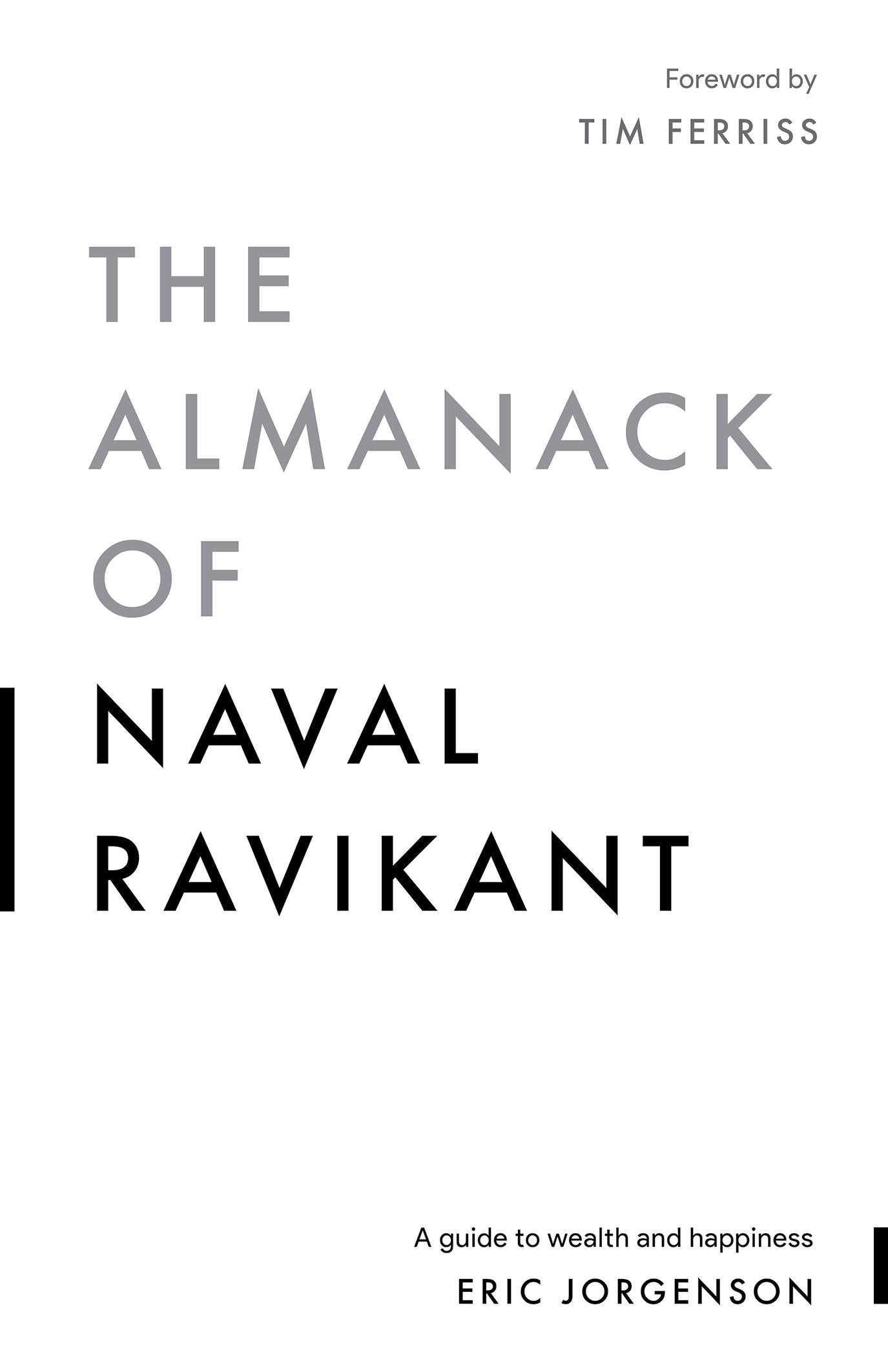
This isn't a traditional book. It's a curated collection of Naval Ravikant's wisdom on wealth and happiness, distilled from a decade of tweets, podcasts, and essays.
Naval, the founder of AngelList and one of Silicon Valley's most respected thinkers, approaches wealth creation with a unique philosophical lens. His core arguments:
- •Seek wealth, not money or status. Wealth is assets that earn while you sleep.
- •Leverage is the key. Code and media are permissionless leverage that work for you 24/7.
- •Happiness is a skill. It's not innate. It's learned through practice.
The best part? The entire book is available for free at navalmanack.com.
"Seek wealth, not money or status. Wealth is having assets that earn while you sleep."
Key Takeaway: Building wealth is a learnable skill. So is being happy. Master both.
The Common Thread
What unites these books isn't a specific investment strategy or budgeting technique. It's something more fundamental: they all recognize that money is deeply psychological, and that the key to financial success lies in understanding yourself as much as understanding markets.
Start with The Psychology of Money if you're new to this space. If you've already read it, The Art of Spending Money is the perfect companion. And if you're questioning whether you're living fully enough, Die With Zero will give you a lot to think about.
Happy reading.