The Singularity Ate Your Moat. Now What?
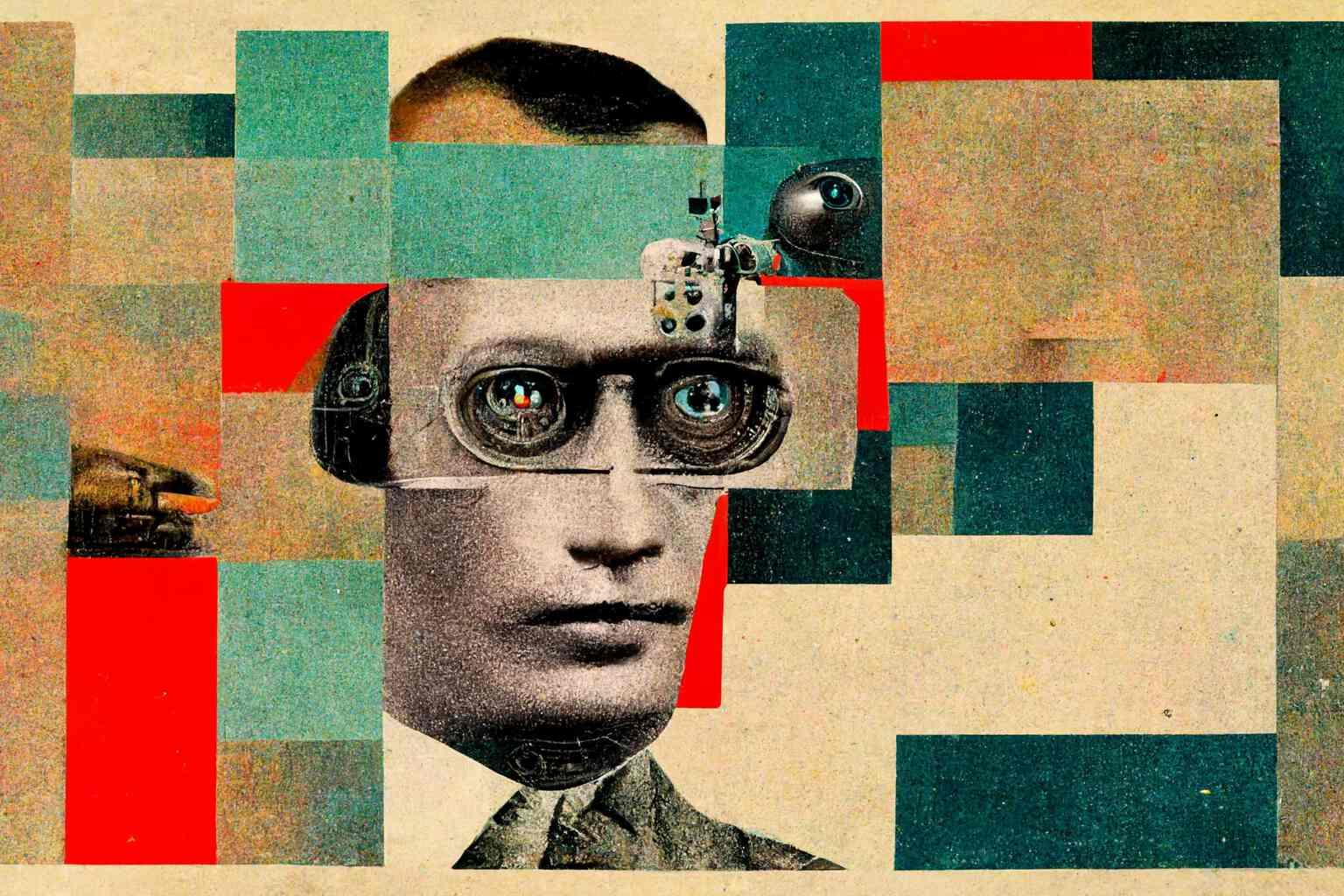
When anyone can build your product in a weekend, what's actually defensible?
There's a stat from Y Combinator's Winter 2025 batch that keeps circling in our heads: 25% of the companies had codebases that were 95% AI-generated.
One in four.
At the world's most competitive accelerator, a quarter of the startups shipped products where humans barely touched the code. Andrej Karpathy named this phenomenon vibe coding back in February:
By December, Collins Dictionary made it Word of the Year.
The implication is uncomfortable if you're building a software company. What you're shipping today, someone else can replicate next week. Maybe faster. The five-year head start your Series B bought you? A college student with Claude and a long weekend can close that gap.
The Compression Nobody Saw Coming
Every decade brings a new layer of abstraction. Assembly gave way to C. C to Python. Python to no-code tools. Each step made building easier.
This time feels different.
We're not just making coding easier. We're making it optional. Anysphere, the company behind Cursor, went from a $2.6B valuation in late 2024 to $29.3B by year end. Capital markets are pricing in a world where the cost of building software approaches zero.
So what happens when building is no longer the hard part?
The Uncomfortable Question
VCs have started asking founders a pointed question: "If Anthropic ships a model tomorrow that's 10x better, do you still have a business?"
Most founders don't have a good answer.
The honest truth is that code alone stopped being a moat years ago. We just didn't notice because building was still hard enough to create breathing room. That breathing room is gone now.
What remains?
Context Is The New Code
Here's what we keep coming back to.
Yes, the code can be replicated. But code is just the artifact. The real work is everything that shaped it.
Why does that button sit in that corner? Because 47 users complained about the old placement. Why is that feature intentionally limited? Because power users found workarounds and new users got confused. Why does the API have that specific rate limit? Because one enterprise customer surfaced edge cases nobody anticipated.
Products are accumulated judgment. Thousands of micro-decisions, each one informed by real friction with real users. You can copy the output. You can't copy the learning that produced it.
This is why clones always feel slightly off. They got the shape right but missed the reasoning.
What Actually Compounds
The moats that matter now aren't technical. They're contextual.
Memory that stays. Every preference you've set, every edge case you've surfaced, every workflow you've built. None of it ports to the competitor that launched last Tuesday.
Integration gravity. API connections, automation chains, muscle memory. The switching cost isn't money. It's the friction of rebuilding everything you've wired together.
Learning loops. Products that get smarter from usage. Where every customer interaction feeds back into better decisions. The clone starts from zero while you're compounding.
Molly Alter at Northzone frames it well: vertical beats horizontal now. Generic tools are commodity. Deep expertise in a specific domain, built on proprietary data from real customer interactions, creates distance that's hard to close.
The Taste Question
There's something harder to articulate that separates products that work from products that merely function.
Call it taste. Call it aesthetic judgment. Call it knowing what not to build.
AI can generate infinite variations. It cannot tell you which one is right. That requires accumulated intuition about what actually matters to the people you're serving. The kind of intuition that only forms through hundreds of hours listening to customers describe the same problem twelve different ways.
Great products feel "just better" even when you can't explain why. That feeling comes from founders who've spent real time in the problem space. Not building for imagined users. Building for people they actually understand.
The New Default
Here's what we're all adjusting to:
Building is no longer the filter. Everyone can build now. Your customer can probably build a version of your product themselves on a Saturday. This is the new baseline.
The question isn't whether you can ship. It's whether your perspective is valuable enough that people choose your solution over rolling their own.
A higher bar. It means having genuine opinions about how things should work. Opinions formed through real experience, not surface-level research. Opinions you're willing to defend even when they mean saying no to obvious feature requests.
Why We Care
We didn't back into fintech from a hackathon.
Before Pulse, we worked on fintech platforms and retirement product modeling. Boring stuff, mostly. But the kind of work where you learn what actually matters when money is involved.
When we build wealth tools now, we're drawing on that. Not reinventing from scratch.
Anyone can build a portfolio tracker. Knowing which numbers to show, and which to leave out, takes longer to figure out.
The products that survive the next few years won't be the ones with the best tech or the biggest teams.
They'll be the ones where someone formed a genuine opinion about the right way to solve something. And kept refining it.
Everyone else is shipping features into noise.
Sources:
- •VCs predict enterprises will spend more on AI in 2026 - TechCrunch
- •From speed to defensibility: What OpenAI sees in AI startups - Tech.eu
- •In the Age of AI, Moats Matter More Than Ever - Insignia Business Review
- •Vibe Everything: The Singularity That Will Eat Product - Bora Nikolic
- •Vibe Coding - Wikipedia